Play Therapy

A developmentally appropriate therapeutic approach that helps children express, understand, and heal through play.
Sound like you?
Your child seems overwhelmed by big feelings they can’t explain?

Are they withdrawing, becoming easily frustrated, or struggling with transitions

Do their behaviours feel confusing, sudden, or out of character?
Life doesn't have to stay this way. We can help!
Children experience worry, sadness, fear, and overwhelm just like adults do — but they do not yet have the words to describe their inner world. Play therapy meets them where they are, in the language they naturally use.

Creating Space Therapy offers child centered play therapy that honors the unique inner world of every young client. Our practice understands the emotional needs of children who are experiencing transitions, stress, trauma, or behavior changes.
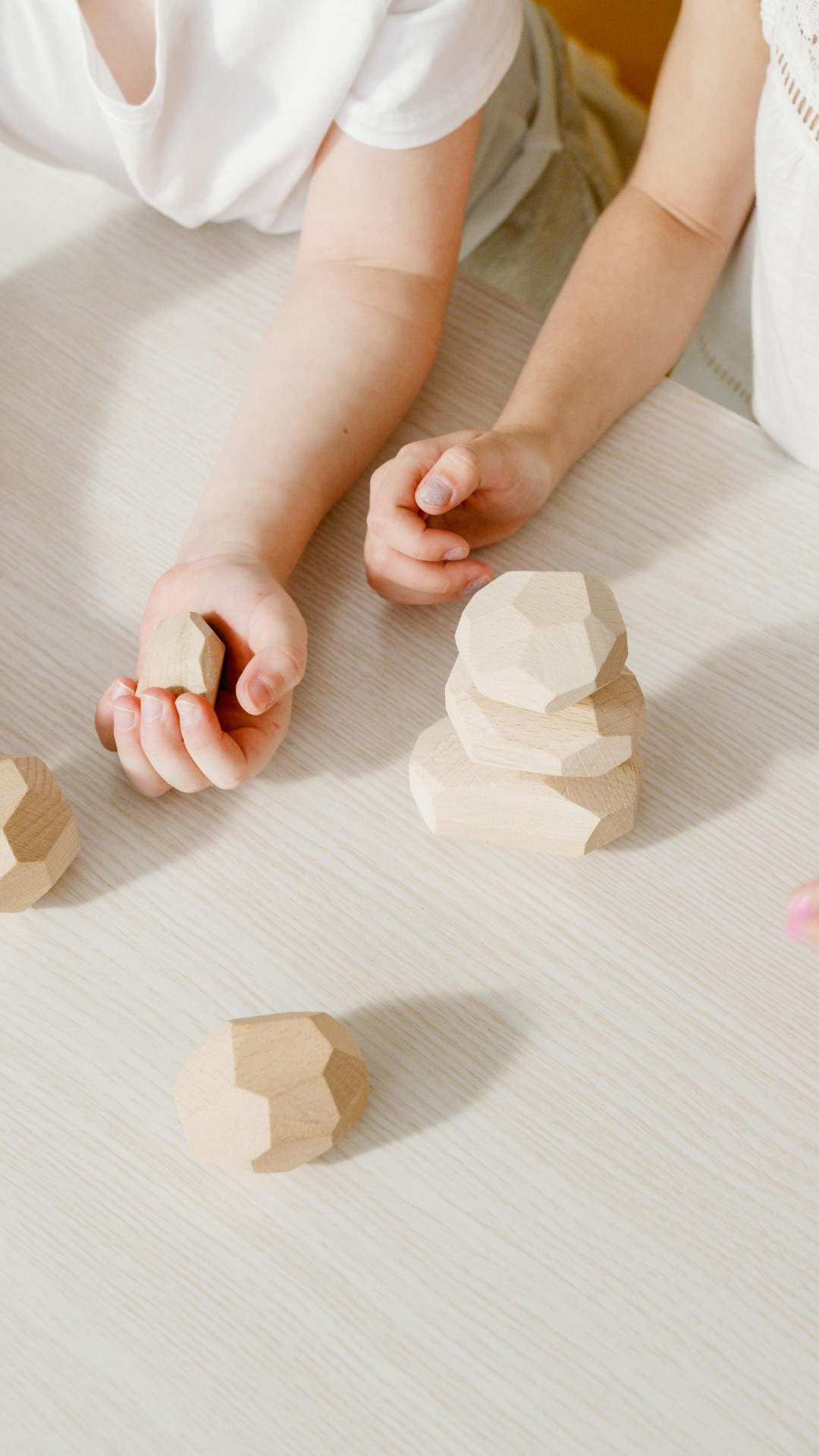
Children playing with wooden geometric blocks

What Is Child-Centered Play Therapy?

Child-centered play therapy honours the way children naturally communicate through play. Because children may not have the language to explain their feelings or experiences, play becomes their voice. In a safe and familiar space, the child can express emotions, explore experiences, and communicate needs through toys, stories, art materials, and imaginative play.

Child-centered play therapy is different from regular play. It is a therapeutic process guided by a trained child therapist who understands the emotional language of play. The therapist follows the child’s lead with warmth, curiosity, and respect, allowing the child to explore freely while receiving steady support. Parents do not need prior knowledge of this approach — the therapist explains each step with clarity and care.

This model is rooted in the belief that children have an innate drive toward growth. When a child enters a space designed just for them, they begin to reveal emotions and needs that may have felt overwhelming. Play becomes a bridge between a child’s internal world and the outer support parents want to provide.

When is Play Therapy Helpful?

Parents often seek child-centered play therapy when they notice changes that feel concerning or confusing. A child may show big feelings, sudden fears, or withdrawal from play. They may struggle with sleep, appetite, or separation. These patterns often reflect emotional overwhelm or stress beneath the surface, even when the child does not yet have words for the experience. Play therapy helps the child process these moments gently.

Play therapy is helpful when a child is experiencing anxiety, anger, sadness, or behavioural challenges. It is also beneficial after stressful events such as medical procedures, changes in routine, conflict at home, or moments that felt scary or confusing. The child may not be able to describe these situations verbally, but play offers a natural way to express the emotional impact.

Child-centered play therapy is also ideal for children with neurodevelopmental differences. Children with sensory needs, attention challenges, or communication differences benefit from a therapeutic space that meets them at their developmental level. The therapist adapts strategies to support the child’s nervous system with compassion, allowing the child to explore emotions in a way that feels safe for their body and mind.

How Do I Know If My Child Needs Play Therapy?

Parents often feel confused or unsure when their child’s behaviour changes. They may not understand the emotional story beneath the surface. Child-centered play therapy helps bring clarity to these moments. Because young children do not organize emotion through language, talking will not necessarily lead them to deeper understanding. Play therapy honours their developmental stage and offers a natural path that matches their abilities.
Your child withdrawing from friends or becoming overwhelmed by everyday transitions.
Sudden frustration, intense reactions, or big feelings that seem out of proportion.
Changes in sleep, appetite, separation difficulty, or increased fears.
Behaviour that feels confusing or unlike their usual self.
These are not signs of failure in parenting — they are signs that your child needs a different path for support. Young children cannot sit and discuss feelings the way older children or adults can. Play therapy matches their developmental stage, giving them a natural way to explore their emotional world without the pressure of verbal processing.

Our Compassionate Approach to Play Therapy

A space designed for healing, expression, and growth. Every element of play therapy is intentional — from the toys to the therapist’s responses — creating a window into your child’s inner world.

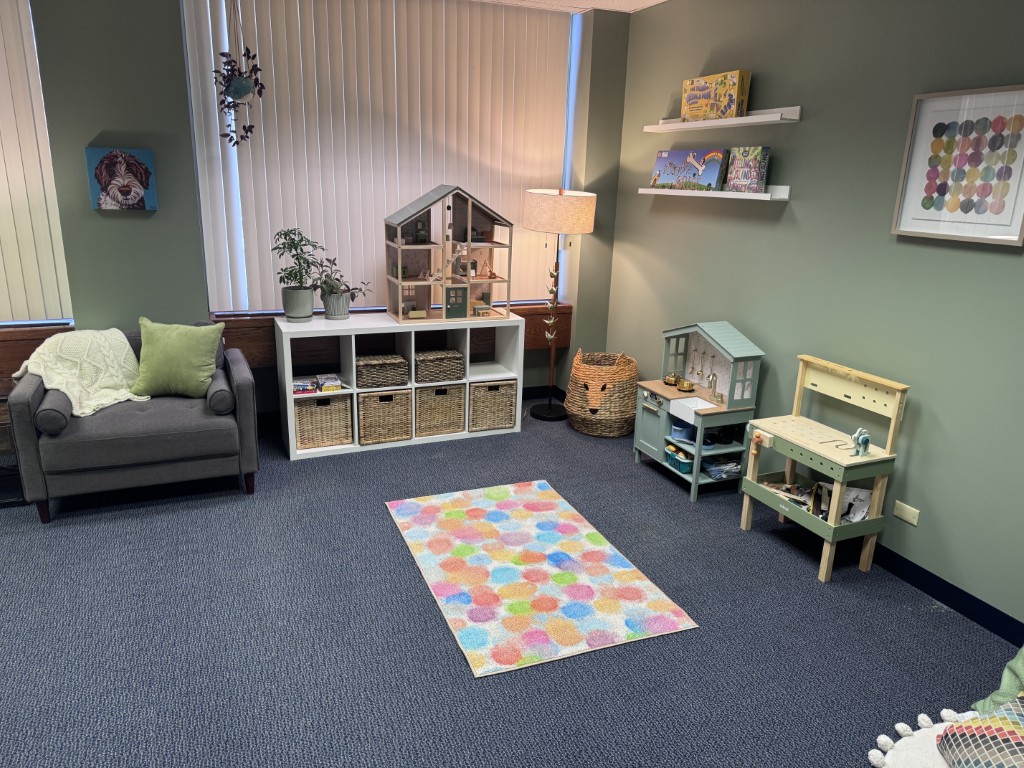
A carefully curated playroom

Toys and materials are selected to help children express emotion, explore experiences, and communicate symbolically. None of the activities are random; each reflects aspects of your child’s internal world.

Attuned observation and reflection

The therapist watches how your child engages, paying attention to themes, emotional tone, problem-solving, and connection. Reflections are offered in simple language, helping the child develop awareness and feel safe.

Consistent partnership with parents

While parents are not typically in the playroom, they are essential partners in the process. The therapist meets with you regularly to share insights, explain emotional patterns, and support strategies at home.

How Play Therapy Can Help Your Child

01

Creates a Safe and Accepting Space

Safety is the foundation of every session. Child-centered play therapy creates an environment where your child feels valued, understood, and free to express emotion. The therapist follows the child’s lead with steady presence and emotional attunement, helping the child feel seen and accepted without pressure or judgment.
02

Supports Emotional Expression and Understanding

Through toys, stories, imagination, and art materials, children begin to show emotions that may have been hidden, overwhelming, or difficult to express verbally. The therapist reflects feelings, validates experiences, and provides gentle structure. This process helps the child make sense of their internal world and develop emotional awareness.
03

Builds Emotional Regulation and Coping Skills

As your child feels safer expressing emotions in the playroom, they begin developing the ability to manage frustration, anxiety, sadness, and other big feelings. These skills naturally carry into daily life, helping your child navigate challenging situations with more confidence and stability.
04

Strengthens Connection and Relational Trust

Child-centered play therapy deepens a child’s trust in relationships. When a child experiences consistent understanding inside the therapy room, they become more open to connection outside the session. Over time, this strengthens the parent–child bond and supports healthier, more secure attachment.

Our Child Play Therapist

Our play therapist brings specialized training in child-centered and attachment-informed therapy, supporting both children and their caregivers throughout the process. We partner closely with parents through ongoing communication and steady guidance, helping you make sense of your child’s emotional world and the behaviors you’re seeing at home. Care is always paced to your child’s needs, with compassion, developmental awareness, and respect at the center of the work.

Woman outdoors in autumn scenery, wearing glasses.
Emma Rooney
Licensed Professional Counselor (LPC)
Partnering With Your Primary Therapist
Integrating Play Therapy With Other Supports
Child-centered play therapy can support children navigating anxiety, sadness, anger, behavioural challenges, or the aftermath of stress or change. It is also highly supportive for children with sensory needs, attention difficulties, or communication differences. The therapist adapts techniques to meet your child’s nervous system and developmental needs with compassion.

Play therapy becomes part of a broader support system — one that includes parents, schools, caregivers, and other professionals when needed. This integrated approach ensures that your child is understood and supported across environments.
The Parent's Role In Supporting The Process
Parents are central to the success of play therapy. You know your child’s history, routines, strengths, and stressors, and this insight shapes the direction of treatment. You’ll learn strategies to support emotional regulation and connection at home, helping you respond more confidently when your child is overwhelmed.

The therapy space is not a place for blame — it is a place for growth, understanding, and strengthening the whole family system. Many parents discover that as their child becomes more expressive and regulated, the home becomes more peaceful and connected.

Still unsure about Play Therapy? We understand.

Deciding to begin therapy for your child can bring up worry, questions, and uncertainty. You want your child to feel safe, supported, and understood — and you want to make the right choice for their emotional wellbeing. At Creating Space Therapy, we specialise in child-centered play therapy that meets children exactly where they are developmentally. Through toys, stories, art, and imaginative play, children can express feelings they may not yet have the words for. Our trained child therapists provide gentle, attuned support to help your child heal, grow, and reconnect with confidence.

Child-Centered Play Therapy FAQ

Your child enters a room intentionally designed with toys and materials that help them express their feelings and experiences. They may use dolls, figures, art supplies, sensory items, or story play. The therapist follows your child’s lead, observes how they interact with the materials, and reflects emotions in simple, supportive language. Nothing is random — each action offers insight into your child’s internal world.

Play is the natural language of children. While it may look like ordinary play, it is a structured therapeutic process guided by a trained child therapist. Through play, children communicate emotions, process experiences, and explore problems in a way that matches their developmental stage. This is how young children express what they cannot yet say in words.

Most often, parents are not in the playroom. This allows the child to express themselves freely without feeling observed or influenced. But you remain an essential partner in the process. Your therapist meets with you regularly to share insights, explain themes, and guide supportive strategies at home.

Play therapy supports children experiencing anxiety, anger, sadness, behavioural challenges, stress, fear, or emotional overwhelm. It is also helpful after medical procedures, changes in routine, conflict at home, or events that felt scary or confusing. Children with sensory needs, attention challenges, or communication differences also benefit from a space designed for their developmental and nervous system needs.

Not at all. Big emotions and confusing behaviours are often a child’s way of communicating internal struggle. These behaviours are not signs of failure in parenting — they are signals that your child needs a different path for support. Play therapy helps reveal the emotional story beneath the behaviour so parents can respond with clearer understanding and confidence.

Every child is different. Some children begin showing shifts in emotional expression or behaviour within a few weeks, while others need more time. Change in young children tends to be gentle and gradual. What matters most is steady support, a safe therapeutic relationship, and partnership with parents throughout the process.

It is normal for children to express bigger emotions as they begin to feel safer. This does not mean things are worsening — it means your child finally has a space where those feelings can be released and understood. Your therapist will guide both you and your child through these moments with care.

Your involvement is essential. You provide history, context, patterns, and insight that guide the direction of therapy. Your therapist will teach you strategies to support emotional regulation at home, strengthen connection, and respond confidently when your child is overwhelmed. Play therapy supports the whole family system — not just the child.

Your Child Deserves to Feel Safe, Understood, and Supported
Your child deserves a space where their feelings are taken seriously — even when they don’t yet have the words to explain them. They deserve support that meets them at their developmental level, honours their inner world, and helps them feel safe expressing what’s happening inside.

Child-centered play therapy offers your child a gentle, respectful way to explore emotions, build regulation, and strengthen trust in relationships. With the right support, children can learn that big feelings are manageable and that they are not alone in navigating them.

You don’t have to figure this out on your own. With compassionate guidance, your child can grow, heal, and reconnect with their natural sense of confidence and resilience.
ALL RIGHTS RESERVED
©
2026
Creating Space Therapy PLLC
Expertly designed with love by Addelise Design